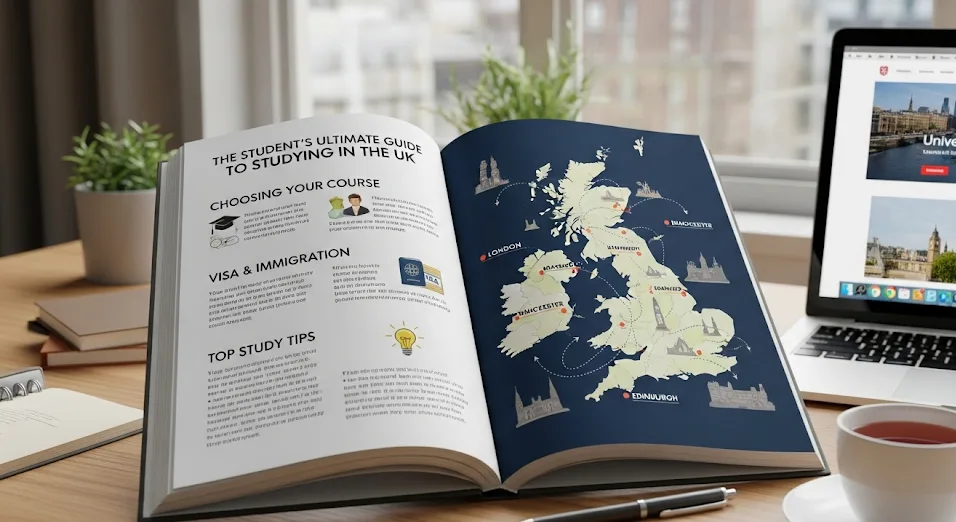
The UK is one of the most popular destinations for international students, attracting over 600,000 students annually, according to the UK Council for International Student Affairs (UKCISA). Known for world-class universities, diverse courses, and a multicultural environment, the UK offers opportunities that extend beyond education to career development and cultural growth. This guide covers everything you need to know about studying in the UK, including types of courses, visa requirements, costs, and practical tips to make your academic journey successful.
Why Study in the UK?
Global Reputation
The UK is home to prestigious institutions such as the University of Oxford, University of Cambridge, and Imperial College London, consistently ranked among the world’s best.
Benefits for International Students
- Wide Course Options: From vocational training to advanced research degrees.
- Shorter Degrees: Many UK courses are shorter than in other countries, saving time and money.
- Strong Employability: Graduates are highly valued by employers worldwide.
- Cultural Diversity: Study in a welcoming environment with students from over 180 countries.
- Post-Study Work Opportunities: The Graduate Route visa allows you to work in the UK after completing your studies.
Types of Courses Available in the UK
Undergraduate Degrees
- Duration: 3–4 years.
- Examples: BA, BSc, BEng.
- Best for: Students looking for academic and professional foundations.
Postgraduate Degrees
- Duration: 1–2 years.
- Examples: MA, MSc, MBA.
- Best for: Specialisation and career advancement.
Vocational Courses
- Duration: Months to 2 years.
- Examples: BTECs, NVQs, diplomas.
- Best for: Practical, career-focused training.
Foundation and Pathway Programmes
- Duration: 6–12 months.
- Focus: Preparing international students for entry into UK universities.
Short Courses and Professional Training
- Duration: Days to months.
- Focus: Skills such as business, English, or IT.
Visa Requirements for Studying in the UK
Student Visa (Former Tier 4)
- Eligibility: Offer from a licensed student sponsor, proof of funds, and English proficiency.
- Application: Apply online via the gov.uk student visa page.
- Length: Covers course duration plus extra time after graduation.
Graduate Route Visa
- Allows international students to stay in the UK for 2 years (3 years for PhD graduates) to work or look for work.
Key Documents Required
- Valid passport.
- Confirmation of Acceptance for Studies (CAS).
- Proof of financial support.
- English language test results (e.g., IELTS, TOEFL).
Costs of Studying in the UK
| Expense Category | Average Cost (GBP/year) |
|---|---|
| Tuition (Undergraduate) | £9,250 – £25,000 |
| Tuition (Postgraduate) | £10,000 – £38,000 |
| Accommodation | £6,000 – £12,000 |
| Living Expenses | £9,000 – £12,000 |
(Support available via UK Student Finance)
Tips for Studying in the UK
Academic Success
- Research course modules carefully before applying.
- Make use of libraries, labs, and online resources provided by your university.
Financial Planning
- Budget for tuition, living costs, and unexpected expenses.
- Explore scholarships, bursaries, and part-time job opportunities.
Cultural Adaptation
- Embrace diversity by joining student societies and cultural groups.
- Take advantage of student discounts for travel, entertainment, and shopping.
Career Preparation
- Use university career services to find internships and placements.
- Take advantage of the Graduate Route to gain UK work experience.
Choosing the Right University or College
Key Considerations
- Accreditation: Ensure the institution is recognised by the Office for Students (OfS).
- Location: Choose between bustling cities like London and quieter towns.
- Course Reputation: Check rankings and student satisfaction scores.
- Support Services: Look for institutions offering strong support for international students.
- Employability: Universities with good employer partnerships offer better career prospects.
Conclusion
Studying in the UK opens doors to world-class education, career opportunities, and personal growth. From choosing the right course to navigating visa requirements, careful preparation is key to success. By planning your academic journey with the right information and resources, you can make the most of your time in the UK and secure a bright future. If you’re ready to take the next step, research your ideal course and start preparing for an unforgettable experience in one of the world’s leading education destinations.
Frequently Asked Questions (FAQ)
1. How early should I apply to study in the UK?
It’s best to apply 9–12 months in advance, especially if you need a visa and are seeking scholarships.
2. Can international students work while studying in the UK?
Yes, student visa holders can usually work up to 20 hours per week during term time and full-time during holidays.
3. Are UK degrees recognised worldwide?
Yes, UK qualifications are highly respected globally and often enhance employability.
4. What is the Graduate Route visa?
It allows international students to remain in the UK for 2–3 years after graduation to work or look for jobs.
5. Do I need health insurance while studying in the UK?
Yes, international students pay the Immigration Health Surcharge (IHS), which grants access to the NHS during their stay.